Oriental Tiles 12 Patterns: A Practical Guide for Designers and Creators
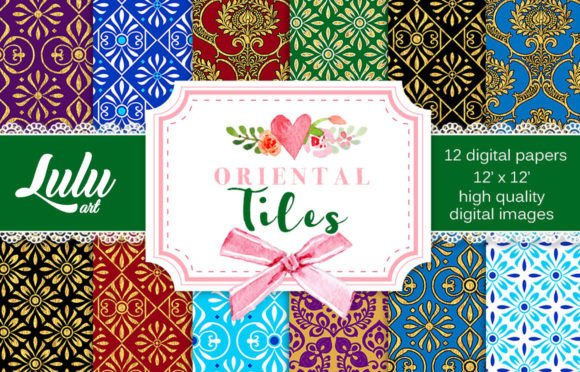
Oriental Tiles 12 Patterns is a collection of digital design assets that offers a versatile toolkit for anyone involved in creative projects. These are not physical paper sheets, but high-quality digital files designed to be used in various applications. The ZIP file contains 12 individual designs, each sized at 12 x 12 inches, formatted as 300 dpi JPEGs for optimal printing quality. This set is ideal for designers, illustrators, educators, and hobbyists looking to enhance their workflow with ready-to-use elements.
The value of Oriental Tiles 12 Patterns lies in its ability to streamline the creative process. Whether you're working on a personal project, a business initiative, or an educational resource, these patterns can serve as a foundational element. Understanding how to access and use them effectively is key to maximizing their potential.
Accessing and Using Oriental Tiles 12 Patterns
To begin using Oriental Tiles 12 Patterns, you’ll need to download the ZIP file and extract its contents. This step is essential because the files are compressed to save space and ensure efficient transfer. Once unzipped, you’ll have access to all 12 patterns, each ready for immediate use.
Before diving into your project, consider the following practical steps:
- Check System Requirements: Ensure your device supports the file format and resolution required for optimal performance.
- Organize Your Files: Create a dedicated folder for the patterns to maintain clarity and ease of access during your workflow.
- Test Compatibility: Verify that the files work seamlessly with your design software or tools to avoid any unexpected issues.
- Backup Your Files: Always keep a backup of your downloaded content to prevent data loss due to technical failures or accidental deletions.
By following these steps, you'll create a smooth and efficient environment for working with Oriental Tiles 12 Patterns, ensuring that you can focus on the creative aspects rather than the logistical ones.
Integrating Oriental Tiles 12 Patterns into Your Workflow
Oriental Tiles 12 Patterns can be integrated into various stages of a project, from initial planning to final execution. For instance, during the concept development phase, these patterns can provide inspiration and help establish a visual direction. When designing layouts or mockups, they can serve as background elements or decorative accents.
During the implementation phase, these tiles can be used to create consistent branding materials, such as templates for social media posts, presentations, or printables. In educational settings, they can be incorporated into lesson plans or interactive activities to engage students visually and creatively.
For entrepreneurs and small business owners, Oriental Tiles 12 Patterns can be a valuable asset in creating marketing collateral. Whether it's packaging designs, promotional materials, or website graphics, these digital assets offer flexibility and consistency across different platforms.
Additionally, when working on personal projects, such as home decor or DIY crafts, these patterns can add a touch of elegance and sophistication. They are especially useful for those who want to personalize their spaces without the need for custom printing services.
Practical Use Cases and Workflow Examples
Oriental Tiles 12 Patterns are incredibly versatile and can be applied in numerous scenarios. Here are a few examples to illustrate their utility:
- Graphic Design Projects: Use the patterns as backgrounds for logos, banners, or posters to add depth and texture.
- Web Development: Incorporate the tiles into website backgrounds or as part of a responsive layout to enhance user experience.
- Print Media: Utilize the high-resolution files for brochures, flyers, or other printed materials where visual appeal is crucial.
- Education and Training: Integrate the patterns into teaching resources, such as worksheets, flashcards, or interactive learning modules.
- Marketing Campaigns: Apply the designs to social media graphics, email newsletters, or advertisements to maintain brand consistency.
Each of these use cases demonstrates how Oriental Tiles 12 Patterns can be tailored to fit specific needs, making them a powerful tool for creators across multiple disciplines.
Factors to Consider for Long-Term Use
When incorporating Oriental Tiles 12 Patterns into your routine, there are several factors to consider for long-term efficiency and usability:
- Preparation: Plan ahead by organizing your files and understanding how they will fit into your existing workflows.
- Compatibility: Ensure that the files are compatible with your preferred design software and devices to avoid technical barriers.
- Organization: Maintain a structured system for accessing and managing your design assets to improve productivity.
- Consistency: Use the same patterns consistently across different projects to build a cohesive brand identity or aesthetic.
- Quality Control: Regularly review the files to ensure they remain in optimal condition and continue to meet your standards.
- Efficiency: Leverage the versatility of the patterns to reduce repetitive tasks and streamline your creative process.
By keeping these considerations in mind, you can ensure that Oriental Tiles 12 Patterns remain a valuable and reliable resource throughout your creative journey.
Conclusion
Oriental Tiles 12 Patterns is more than just a collection of design elements—it's a flexible and powerful tool that can enhance your creative output in multiple ways. Whether you're a professional designer, educator, or hobbyist, integrating these digital assets into your workflow can lead to more efficient, consistent, and visually appealing results.
With proper preparation, organization, and understanding of how to use these files, you can unlock new possibilities in your projects. By leveraging the strengths of Oriental Tiles 12 Patterns, you'll be well-equipped to meet the demands of your creative goals while maintaining a high standard of quality and consistency.